-
Cardio exercises for seniors are the key to staying energized, independent, and heart-healthy. With its mild climate, scenic trails, and strong senior community wellness programs, Redding offers older adults a unique opportunity to enjoy active aging in Northern California.
With over 54 million Americans now aged 65 or older, a number expected to rise sharply, the need for safe, effective physical activity has never been more urgent.
Want to improve cardiovascular fitness, boost energy, and stay socially connected? This guide offers safe ways to add cardio to your routine and support a vibrant lifestyle in senior living communities.
Why is Cardio Important for Seniors?
Cardiovascular exercise is essential for maintaining independence and vitality as we age. Consider the following benefits:
- Boosts heart health for seniors by lowering blood pressure and improving cholesterol levels.
- Improves stamina and energy, making daily tasks easier and more enjoyable.
- Supports mental health, reducing symptoms of depression and anxiety.
- Enhances balance and coordination, lowering the risk of falls.
Best Low-Impact Cardio for Older Adults in Redding
These six low-impact cardio exercises support active aging. Each option is safe, adaptable, and ideal for senior fitness in Redding:
Walking
Walking remains one of the most accessible and practical forms of cardio for seniors. It's easy to adjust the pace based on fitness level, and it can be done indoors or outdoors, perfect for Redding's trails or shaded sidewalks. A daily walk can:
- Power heart-smart living
- Strengthen leg and core muscles
- Increase daily energy levels
Seniors should aim for at least 20-30 minutes of walking in a safe and comfortable environment. Here are some tips to help your walking routine get started:
- Wear comfortable shoes
- Walk on flat, even surfaces to avoid falls
- Bring a walking buddy for safety and motivation
Swimming
Swimming is a good option, especially for seniors with joint pain or arthritis. It helps improve flexibility, balance, and cardiovascular function without stressing the joints. Here are some options to try:
- Water Walking: Walk steadily across waist-deep water to strengthen legs and improve balance.
- Leg Extensions: Hold the pool edge and slowly extend each leg to build strength.
- Arm Circles: Extend arms and rotate them in wide circles to engage the shoulders.
- Water Aerobics: Join a senior-friendly class for guided, low-impact cardio.
Cycling
Cycling (indoors or outdoors) is a joint-friendly, low-impact exercise that's easy to adapt for seniors with balance concerns. It builds endurance while supporting overall wellness. Regular cycling can help older adults to:
- Maintain a healthy weight
- Strengthen respiratory function
- Promote heart-healthy circulation
Stationary bikes provide stability and eliminate weather concerns.
Dancing
Dancing is a fun way to keep active. Whether you're joining a dance class at your senior community or following a video, dancing can be adapted to your comfort level and ability.
This low-impact cardio option engages multiple muscle groups, improves coordination, and enhances balance. It's not only a good workout but also a social activity that can improve mental wellness. To keep you motivated:
- Pick upbeat music to keep energy high.
- Start with slow dances and work your way up to faster rhythms.
Chair Exercises
Chair-based cardio is ideal for seniors with limited mobility. These routines raise the heart rate and strengthen muscles without adding strain. Take a look at these options:
- Seated Marching: Raise one knee at a time while swinging your arms to simulate walking.
- Leg Lifts: Extend each leg outward to boost blood flow and gently activate core muscles.
- Arm Circles: Circle arms forward and backward to engage shoulders and elevate heart rate.
- Toe Taps: Tap toes rhythmically to activate lower leg muscles and improve coordination.
Chair exercises can be done at home or in senior living settings, making them a flexible option for daily movement. Combining light resistance with movement (like band punches or steps) adds intensity without impact.
Tai Chi
Tai Chi combines slow, flowing movements with deep breathing, offering a gentle cardio workout that enhances balance, flexibility, and mental focus. Here are some tips to get the most out of your practice:
- Choose a quiet space to focus on form and breath.
- Move slowly and deliberately to avoid strain and stay grounded.
- Join beginner classes to ensure proper technique.
Frequently Asked Questions
How Often Should Seniors Do Cardio Workouts?
If you're in good health, a good rule of thumb is 150 minutes of moderate aerobic activity per week, or 75 minutes of vigorous activity. That's about 30 minutes a day, five days a week. You don't need to do it all at once; spreading it out over the week may be more sustainable.
Adjust routines based on your energy level, mobility, and any chronic conditions.
What Are the Signs That a Cardio Workout May Be Too Intense for a Senior?
Warning signs include dizziness, chest pain, shortness of breath, or joint discomfort. Seniors should stop immediately and consult a healthcare provider if symptoms persist.
What Are the Best Times of Day for Exercising?
Morning is ideal, energy levels are higher, temperatures are cooler, and it's easier to stay consistent. Early evening works too, but avoid late workouts that may disrupt sleep.
What Should Seniors Eat Before and After Cardio Workouts?
A light snack with carbs and protein, like oatmeal or yogurt, can fuel a workout. Afterward, hydration and a balanced meal help with recovery and energy replenishment.
How Can Seniors Turn Movement Into a Daily Routine?
Set small, achievable goals. Join group classes, track progress with a pedometer, or exercise with a friend.
How Does Cardio Exercise Affect Cognitive Health in Seniors?
Regular aerobic activity has been shown to support memory, lowering the risk of dementia, and improving executive function. It boosts brain blood flow and supports neuroplasticity.
Cardio Exercises for Seniors Keep Redding Residents Energized
Cardio exercises for seniors are more than just workouts; they're about preserving strength, confidence, and connection. With the correct support and environment, seniors can turn everyday movement into a powerful tool for long-term wellness.
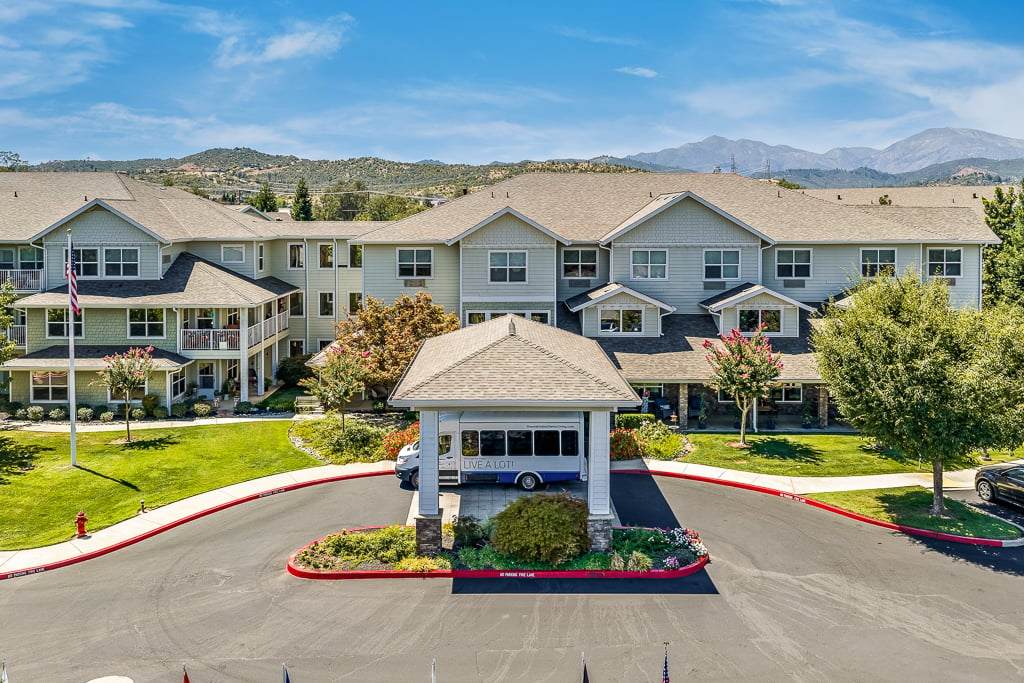
Discover how Shasta Estates makes active aging effortless with newly renovated apartment homes, all-inclusive amenities, tailored wellness programs, supportive services, and a vibrant community designed for today's active seniors. From walking paths to daily social events, everything you need to stay energized and connected is right outside your door. To learn more, schedule a visit today.
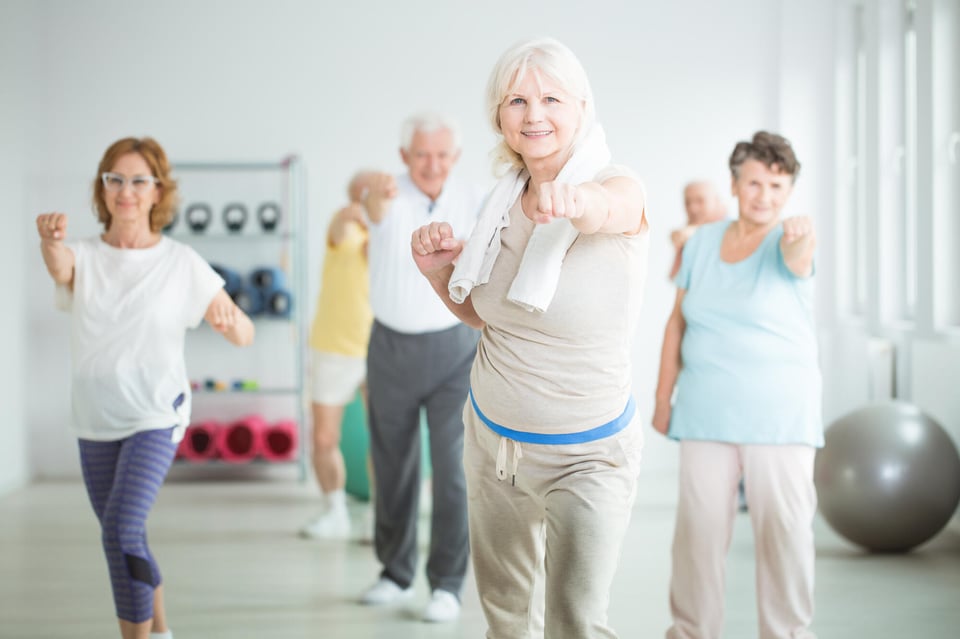
Discover cardio exercises for seniors that keep Redding residents active and energized with both indoor and outdoor fitness options.
Share