
-
The best heart health test to ask about depends on your individual health situation. Your doctor has a wide range of options, from a simple blood pressure screening to coronary CT angiography.
Senior wellness checkups that include cardiac screening are an essential part of your healthy aging strategy. You don't want cardiovascular issues to stop you from enjoying your retirement in Redding, CA. Redding is the sunniest city in California and boasts 200 miles of hiking and biking trails, as well as cultural, musical, and educational events.
Your doctor will recommend a strategy for aging and heart health that will help you stay active, engaged, and enjoy life.
What Is the Best Test to Check for Heart Problems?
The best heart health test for you depends on circumstances, including:
- What symptoms you may be experiencing
- Family history of specific cardiovascular issues
- Other health conditions you may have
- Risk factors like smoking, high blood pressure, a sedentary lifestyle, or high levels of stress
Your doctor may recommend one or more cardiac screening tests to help prevent and diagnose heart-related issues.
Blood Pressure
Blood pressure screening is a simple but essential test. High blood pressure significantly increases the risk of heart disease and stroke, but it usually doesn't have any symptoms.
Cholesterol
A plasma lipid profile is a blood test that measures cholesterol. This is an effective way to estimate your risk of heart disease. The test includes:
- Your total cholesterol
- LDL (bad) cholesterol
- HDL (good) cholesterol
- Triglycerides, another type of lipid in your bloodstream
You may need to fast before a cholesterol test.
Blood Sugar
A blood test for your glucose level can show your risk of developing insulin resistance, prediabetes, and type 2 diabetes. These conditions can make you more likely to have a stroke or heart disease. The blood test often includes glucose and glycated hemoglobin (A1C), which shows how your body processes sugar.
Electrocardiogram (EKG)
An electrocardiogram or EKG measures your heart's electrical activity. It's a good baseline test and can also show whether you have abnormal heart rhythms or have had a heart attack.
The technician will attach electrodes to your chest, arms, and legs. Wire leads on the electrodes are attached to the electrocardiograph machine. The test is painless and usually takes only a few minutes.
Holter Monitor Test
If you have arrhythmia or a history of irregular heartbeat, your doctor may recommend a Holter monitor. You wear a portable EKG monitoring device for at least 24 hours to track your heart activity.
Echocardiogram
Not to be confused with an EKG, an echocardiogram uses ultrasound to see how your heart functions. Echocardiograms are helpful if you have symptoms like shortness of breath or chest discomfort, as well as for people who have had a heart attack or may have heart failure.
Sonogram waves from the ultrasound bounce off the heart muscle, valves, and surrounding tissue. This lets your doctor see moving images of your heart.
Coronary Calcium Scan
A calcium scan shows whether you have hardened plaque in your coronary arteries, which are the main blood vessels that bring blood to your heart. Hardened plaque puts you at higher risk for a heart attack.
To perform the test, the technician will attach electrodes to your chest. As you pass through a CT (computed tomography) machine, the electrodes will record your heart activity while images of your coronary arteries are taken.
Cardiac Stress Test
A stress test is a common way to diagnose heart or arterial disease. You'll walk on a treadmill or pedal a stationary bike while the technician measures your heart activity. The test uses an EKG as well as monitoring your breathing, blood pressure, and level of fatigue.
A nuclear stress test is similar to an exercise stress test, but the technician will inject you with a tracer. The imaging machine can see how blood flows through the heart arteries to find areas of poor blood flow or damage.
Coronary Angiogram
A coronary angiogram takes pictures of the blood flow in your heart to detect areas of restricted flow. The doctor will insert a catheter and thread it into your heart. They'll inject a contrast dye and take X-ray pictures of your blood vessels.
Coronary CT Angiography
A coronary CT angiography uses a CT scanner and contrast dye to take detailed pictures of your arteries. It helps your doctor see how much plaque buildup you have in your coronary arteries.
Frequently Asked Questions
Are Heart Screenings Worth It?
When recommended by your healthcare provider, heart screenings are a valuable part of preventive care. A range of available tests can find signs of cardiovascular disease before symptoms appear, giving your healthcare team a better opportunity to intervene.
However, you should be skeptical of for-profit commercial companies marketing tests directly to you. Without a doctor who knows your health history and can interpret test results, these services can cause unnecessary stress and lead to follow-up procedures that may be unnecessary.
Can I Test My Heart Health at Home?
Yes, you can check several dimensions of heart health at home. You can monitor your blood pressure using a home blood pressure monitor. Be sure to choose a monitor that fits your upper arm and is validated for seniors.
Devices like the Apple Watch can help you monitor more aspects of heart health, like heart rate, blood oxygen, and heart rhythm. A variety of free apps can also help you monitor and track heart health.
Add a Heart Health Test to Your Preventive Care Routine
Getting a heart health test regularly is critical for healthy living after 70 or at any age. Cardiac screening can find risk factors before they turn into serious cardiovascular issues. Your healthcare provider will recommend tests that will be most useful based on your medical history and overall health.
Shasta Estates independent living community is a comfortable environment to pursue your heart health goals. You can live stress-free and let our friendly staff handle housekeeping and maintenance tasks. The front desk team can help you schedule medical appointments and arrange transportation if necessary.
You'll enjoy our on-site fitness center and holistic wellness programming. Schedule a tour of Shasta Estates today to see how our support can help you maintain the active retirement lifestyle you love.
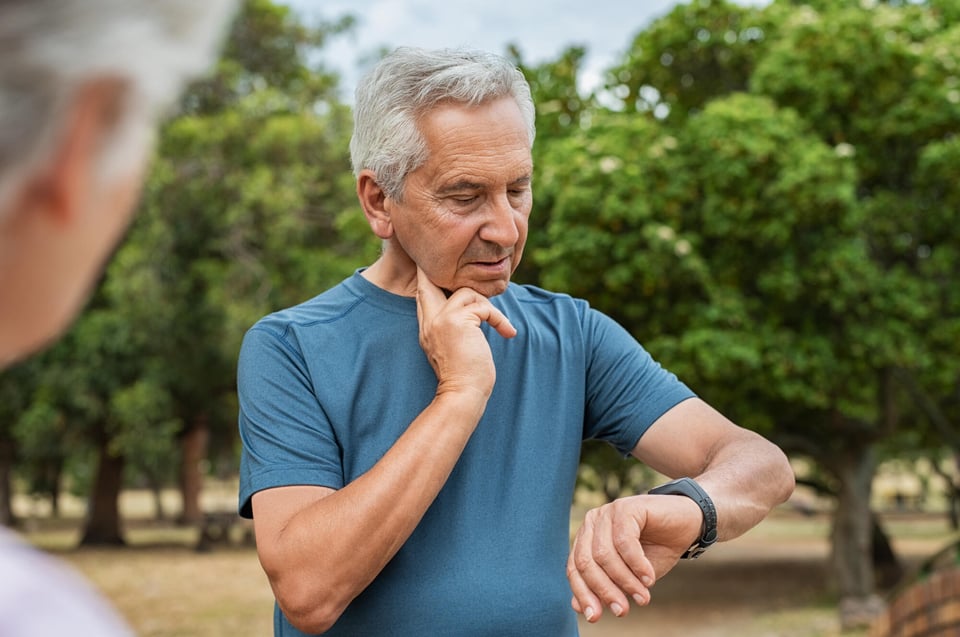
A heart health test can catch silent issues early. Discover the most common screenings and how they support long-term wellness.
Share