
-
Holistic mental health approaches for seniors in independent living focus on nurturing emotional, social, and cognitive well-being through activities like mindfulness, movement, community connection, and purposeful daily routines. These supportive practices help seniors feel more balanced, engaged, and fulfilled as they enjoy greater independence.
Have you ever wondered how seniors in Redding, CA, stay emotionally balanced, socially connected, and mentally strong while enjoying the freedom of independent living?
Redding's peaceful landscapes, warm community atmosphere, and abundant wellness programs create the perfect environment for holistic mental health approaches.As seniors embrace holistic care, they often experience reduced stress, sharper mental clarity, and a deeper sense of purpose. In the city's close-knit communities, these approaches also strengthen social ties, making daily life more fulfilling and grounded.
If you are looking for a more supportive, whole-person approach to wellness, exploring holistic mental health practices in Redding can open the door to a healthier, more joyful, independent living experience.
How Common Are Mental Health Challenges in Seniors in Independent Living?
Mental health challenges are more common among seniors than many people realize, even in independent living communities where support and social connection are present. Conditions like anxiety, depression, and loneliness can affect older adults as they navigate major life changes, shifting routines, or reduced social circles.
Several factors contribute to these challenges. Transitions such as downsizing, losing a spouse, or adapting to new independence can create emotional strain. Physical health changes, chronic pain, limited mobility, or reduced energy can also influence mood and cognitive well-being. Even in active communities, seniors may experience moments of isolation or uncertainty as they adjust to a new environment.
Recognizing how common and normal these experiences are helps families and seniors take a proactive, compassionate approach to mental well-being in independent living.
What Are the Early Signs of Mental Health Changes in Seniors?
Early signs of mental health changes in seniors can appear gradually, making them easy to overlook in day-to-day routines. One of the most common indicators is a noticeable shift in mood -- such as increased sadness, anxiety, irritability, or a loss of interest in activities they usually enjoy.
Changes in social habits can also signal emotional strain. Seniors may begin withdrawing from group events, avoiding conversations, or spending more time alone. These shifts often reflect growing feelings of loneliness or uncertainty.
Physical and cognitive cues are equally important. Difficulty sleeping, changes in appetite, forgetfulness, or trouble focusing may point to underlying mental health concerns. Seniors may also show less motivation, slower responses, or increased worry during routine situations.
Instead of brushing these changes aside as "just aging," it helps to view them as signals that more emotional support, connection, or structured wellness activities may be needed.
What Holistic Mental Health Approaches Can Seniors Use in Independent Living?
Holistic mental health approaches focus on the whole person -- mind, body, and spirit -- making them especially effective for seniors who want to feel balanced, engaged, and emotionally supported in independent living settings. These practices encourage gentle, sustainable habits that fit easily into daily routines.
Mindfulness and Relaxation Techniques
Mindfulness helps seniors stay present and calm, making daily life feel less overwhelming. Simple practices like deep breathing, guided imagery, or brief meditation sessions can ease anxious thoughts, support better sleep, and reduce tension.
Independent living communities offer group mindfulness classes or quiet spaces for relaxation. Whether practiced alone or with others, these gentle techniques help seniors manage stress and maintain a steady, peaceful mental state.
Movement and Gentle Exercise
Activities such as stretching, tai chi, walking groups, or chair yoga support both physical and emotional wellness. Gentle movement boosts mood, improves energy, and helps seniors feel more present and connected in their day.
Creative and Expressive Activities
Art, music, writing, and craft sessions offer meaningful outlets for emotions and self-expression. These activities stimulate the brain, reduce stress, and help seniors process feelings in a healthy way.
Social Engagement and Community Connection
Spending time with neighbors, joining clubs, or participating in group events helps combat loneliness and builds a sense of belonging. Strong social connections are a major protective factor for senior mental health.
Purposeful Daily Routines
Structured schedules -- like morning walks, volunteer work, gardening, or community tasks -- give seniors a sense of direction and meaning. Purpose supports resilience and keeps the mind engaged.
Spiritual or Reflective Practices
For many seniors, faith-based gatherings, prayer, or personal reflection offer comfort and emotional stability. These practices help strengthen inner peace and perspective, especially during transitions or stressful moments.
Frequently Asked Questions
Are Holistic Approaches Safe for Seniors With Health Conditions?
Yes, most holistic practices are gentle and adaptable. Seniors with chronic conditions can benefit from modified activities like chair yoga, breathing exercises, or creative expression.
Do Holistic Approaches Replace Traditional Mental Health Treatments?
No. Holistic approaches complement -- not replace -- medical or therapeutic care. Seniors can use both together for a more complete support system.
How Quickly Do Seniors Notice Improvements?
It varies. Some feel more relaxed or focused within days, while others notice gradual changes over several weeks. Consistency is the key to long-term benefits.
Can Seniors Practice Holistic Techniques on Their Own?
Absolutely. Simple routines like breathing exercises, stretching, journaling, or prayer can be done independently and fit easily into daily life.
Can Nature-Based Activities Improve Mental Wellness for Seniors?
Spending time outdoors -- such as walking, gardening, or simply sitting in fresh air -- can reduce anxiety, lift mood, and increase feelings of calm. Nature-based routines are especially beneficial in peaceful communities like Redding.
How Can Families Encourage Holistic Mental Health for Their Loved Ones?
Families can support seniors by visiting regularly, joining activities, or helping them explore new interests. Encouragement and shared experiences strengthen emotional well-being.
The Path to Whole-Person Wellness
Holistic mental health approaches allow seniors to thrive in ways that go beyond the physical. By combining mindfulness, movement, meaningful connection, and purposeful routines, seniors in independent living communities can experience deeper satisfaction, clearer thinking, and stronger emotional resilience.
At Shasta Estates in Redding, CA, residents enjoy a warm, welcoming setting designed to support emotional and social well-being. Our community emphasizes connection, enrichment, and whole-person wellness, giving seniors the tools they need to feel balanced and engaged each day.
If you are ready to experience a community where we support the mind, body, and heart, schedule a tour today!
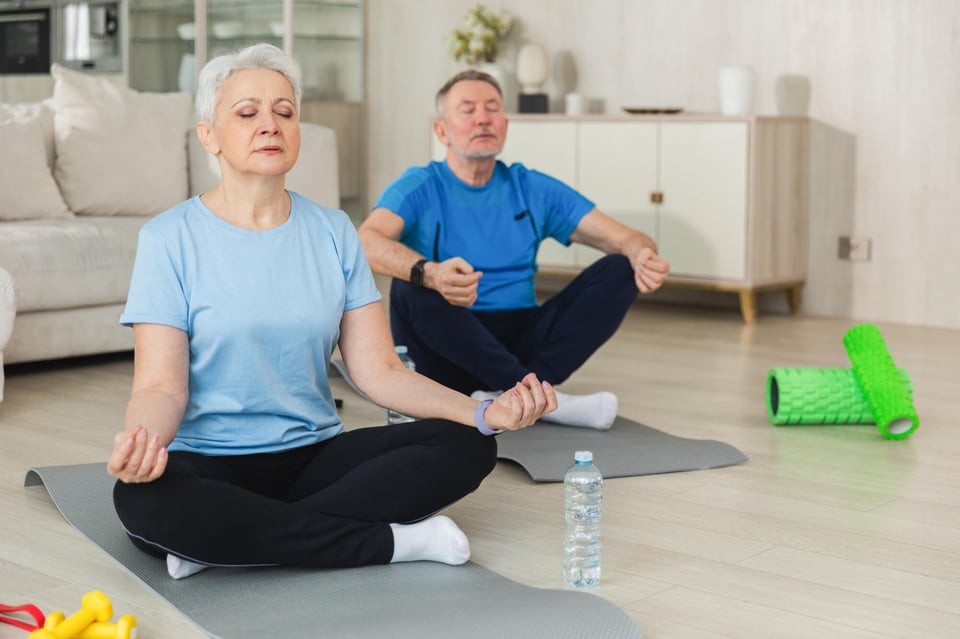
Explore holistic mental health practices that support calm, connection, and purpose for seniors at Shasta Estates in Redding.
Share